Memperkasa Semula, Bukan Persaraan, untuk Memacu Masa Depan Tenaga Angin Wilayah ini
Oleh Malcolm Ramsay
Pembangunan tenaga angin luar pesisir sedang melonjak di Asia, dengan pengendali sudah menjangkakan gelombang pertama aktiviti penyahtauliahan memandangkan projek-projek hampir tamat tempoh dari tahun 2030-an dan seterusnya.
Daripada Isu 2, 2026 Majalah Breakbulk
(Bacaan 5 minit)
Asia sedang mengalami ledakan ketara dalam pembangunan angin luar pesisir, tetapi bagi pengendali breakbulk, prospek sepanjang dekad akan datang masih penuh dengan risiko yang unik, ketika mereka menavigasi sektor yang semakin berbeza dengan garis panduan Eropah yang sedia ada. Ini amat benar apabila pengendali menjangkakan gelombang aktiviti penyahtauliahan yang diunjurkan akan bermula apabila ladang angin semasa hampir tamat tempohnya dari tahun 2030-an dan seterusnya.
Walaupun Eropah memerintah sebagai peneraju global dalam bidang angin luar pesisir selama beberapa dekad, takhta kuasanya telah diambil alih oleh rantau Asia Pasifik pada tahun 2022, didorong oleh lonjakan pemasangan yang belum pernah terjadi sebelumnya di China. Hari ini, China menyumbang lebih daripada 50% daripada jumlah kapasiti yang ditauliahkan global, secara asasnya menggerakkan pusat graviti industri dan permintaan berkaitan untuk logistik angkat berat menjauhi Laut Utara.
Asia, yang diketuai oleh China dan India, telah mentauliahkan 131 gigawatt (GW) kapasiti angin baharu (darat dan luar pesisir) pada tahun 2025, atau 80% daripada jumlah global, menurut laporan daripada Majlis Tenaga Angin Global (GWEC). Rantau ini dijangka menambah kira-kira 600 hingga 700 GW kapasiti antara sekarang dan 2030.
Sesetengah peneraju industri percaya bahawa penyahabisan tenaga angin luar pesisir di Asia kekal sebagai prospek jangka panjang. Matt Bowden, pengurus komersial utama APAC di Cadeler, pakar dalam pengangkutan, pemasangan dan penyelenggaraan penjana dan asas turbin angin luar pesisir, berkata penyahabisan tenaga di rantau ini mungkin tidak akan berlaku untuk beberapa ketika. Walau bagaimanapun, pihak lain dalam sektor ini percaya permintaan penyahabisan tenaga boleh berkembang lebih awal.
Menguatkan Semula Pivot
Walaupun peralatan angin boleh digunakan dalam jangka masa panjang, cabaran unik dalam pasaran Asia boleh memajukan garis masa penyahtauliahan seawal akhir dekad ini, apabila tekanan ekonomi, alam sekitar dan permintaan bergabung. Walaupun kebanyakan projek komersial di Asia agak baharu dan spesifikasi OEM membenarkan operasi bertahun-tahun, ramalan menunjukkan bahawa pemilik mungkin masih memilih penyahtauliahan awal.
Dorongan ini didorong oleh realiti bahawa tapak air cetek utama, terutamanya di Taiwan dan China, kini diduduki oleh turbin hasil rendah yang semakin tua. Membersihkan lokasi-lokasi ini untuk memberi ruang kepada gergasi 15 megawatt (MW) ke atas akan semakin dilihat sebagai keperluan ekonomi, terutamanya apabila teknologi baharu meningkatkan potensi output dari setiap tapak. Ini bermakna dalam praktiknya gelombang aktiviti penting pertama pada awal tahun 2030-an kemungkinan besar akan muncul sebagai "penguatan semula" dan bukannya penyahtauliahan berskala penuh.
Bagi pengendali breakbulk, ini diterjemahkan kepada gabungan kompleks perkhidmatan penyahtauliahan separa dan pemasangan peralatan baharu secara serentak. Pemain yang berjaya menavigasi cabaran logistik "dua hala" ini akan menetapkan asas untuk kelebihan daya saing jangka panjang apabila tsunami penyahtauliahan berskala penuh akhirnya melanda pada tahun 2040-an.
Walau bagaimanapun, sebelum itu, laluan untuk pemasangan dan penyingkiran akhirnya terhalang oleh jurang kos yang ketara. Seperti yang ditunjukkan oleh Simon Engfred, penganalisis utama serantau untuk APAC di Aegir Insights, mengenai pasaran Jepun: “Premium CAPEX untuk angin luar pesisir di Jepun adalah nyata (dan) pemasangan adalah komponen kos tunggal yang paling degil: masa henti cuaca Jepun adalah ketara berbanding penanda aras Eropah. Musim taufan, tingkap reka bentuk seismik dan keadaan metocean tidak akan bertambah baik secara material.”
Premium kejuruteraan untuk pensijilan taufan dan seismik ini boleh membantu mewujudkan "parit kompetitif" untuk pengendali breakbulk tetapi juga boleh bertindak sebagai penghalang kepada "logistik songsang" yang diperlukan untuk penyahtauliahan. Engfred menganggarkan bahawa di Jepun, cabaran semasa bersamaan dengan premium CAPEX 21% dan ini bertindak sebagai penghalang selanjutnya untuk kemasukan "memandangkan keperluan kawal selia berbeza merentasi pasaran APAC" dan pensijilan selalunya khusus pasaran.
Berdepan dengan pasaran kapal yang rapuh, peraturan ketat yang mengehadkan kapal mana yang boleh beroperasi di perairan tempatan, dan keadaan persekitaran yang sukar, pengendali mesti memutuskan sekarang sama ada mereka akan membina dan menggunakan armada khusus yang diperlukan untuk mengendalikan ledakan pembinaan dan persaraan pramatang aset generasi pertama rantau ini.
Keputusan ini dirumitkan oleh fakta bahawa industri ini bukan sahaja melawan unsur-unsur, tetapi juga kekurangan kesinambungan komersial jangka panjang. Walaupun keperluan teknikal untuk penyahtauliahan jelas akan muncul dalam beberapa dekad akan datang, insentif kewangan untuk pemilik semasa melabur dalam infrastruktur masih lemah. Ketidakseimbangan antara realiti fizikal aset yang semakin tua dan struktur kewangan projek itu sendiri mewujudkan kesesakan yang mengancam untuk menghentikan kematangan sektor ini.
Pemilikan Berpecah-belah
Di Eropah, ladang-ladang matang telah menyaksikan peralihan daripada pemikiran pembinaan sahaja kepada strategi kitaran hayat penuh, yang memerlukan perubahan asas dalam cara pengendali melihat aset mereka, tetapi bukti pergerakan ketara ke arah ini di Asia masih kurang jelas. Ini sebahagian besarnya disebabkan oleh realiti komersial aset ladang angin di Asia, yang kerap bertukar tangan beberapa kali sepanjang jangka hayatnya. Seperti yang dinyatakan oleh Bowden, pelanggan yang berkontrak untuk pengangkutan dan pemasangan awal jarang sekali merupakan entiti yang sama yang akhirnya akan menghadapi rang undang-undang penyahtauliahan.
“Ini biasanya bukan sesuatu yang kami lihat mendapat permintaan di rantau APAC setakat ini,” kata Bowden. “Ini mungkin kerana aset ladang angin biasanya bertukar pemilikan beberapa kali sepanjang hayatnya, dan pelanggan yang kami kontrakkan untuk T&I dan O&M mungkin bukan pelanggan yang sama yang akhirnya perlu mempertimbangkan untuk decom.”
Pemecahan ini sering menyebabkan penyahtauliahan sebagai "masalah masa depan" untuk pemilik seterusnya, mewujudkan kekosongan strategik yang boleh diisi oleh pengendali breakbulk proaktif dengan menawarkan logistik berasaskan kitaran hayat jangka panjang.
Winning Asia Decom
Walaupun terdapat banyak perbezaan antara landskap Eropah dan Asia, nampaknya jelas bahawa peralihan ke arah penyahtauliahan akhirnya akan nyata apabila sektor ini matang dan kelebihan akan diberikan kepada mereka yang bergerak melangkaui piagam pasaran spot dan mula membentuk usaha sama tempatan yang mendalam. Dalam pasaran yang mana keperluan penyetempatan terpakai, pakatan tempatan mungkin akan menjadi satu-satunya cara untuk memenuhi peraturan dan memastikan tempat duduk yang konsisten di meja apabila kontrak pertama ditender menjelang akhir dekad ini.
 “Sesetengah pasaran — seperti Jepun — mempunyai peraturan kabotaj yang sangat ketat yang memerlukan kapal berbendera tempatan, manakala yang lain — seperti Taiwan dan Australia — mempunyai pendekatan yang lebih pragmatik terhadap penglibatan kapal asing dalam industri kami,” kata Bowden. “Secara amnya, Cadeler tidak mengalu-alukan halangan kepada penyertaan antarabangsa dalam pasaran angin luar pesisir, kerana kami percaya bahawa pendekatan rantaian bekalan terbuka memupuk persaingan dan peningkatan kapasiti yang lebih berjaya. Walau bagaimanapun, apabila melibatkan kerjasama, kami menganggapnya sebagai komponen penting kejayaan jangka panjang di Korea dan Jepun dan terlibat secara aktif dalam memupuk hubungan dengan pemain tempatan utama dalam hal ini.”
Kejayaan juga bergantung pada pengamanan hartanah fizikal yang diperlukan untuk penyahtauliahan. Tidak seperti aliran linear projek binaan baharu, penyahtauliahan memerlukan kawasan letak sisi kiri yang luas dengan kapasiti pemuatan lantai yang tinggi untuk menyimpan komponen besar yang telah lapuk dan menunggu pemprosesan. Pengendali yang mengunci pajakan jangka panjang di hab serantau utama seperti Taichung atau Akita hari ini akan memegang pengaruh muktamad. Dengan menganggap penyahtauliahan sebagai peluang "penguatan semula" 2030-an dan bukannya masalah skrap 2040-an, pemain breakbulk boleh mengubah risiko serantau yang unik ini menjadi parit kompetitif jangka panjang yang mampan.
Walaupun pemilikan aset Asia yang berpecah-belah menyukarkan untuk menandatangani perkongsian kitaran hayat formal jangka panjang hari ini, pengendali breakbulk Eropah masih perlu menyedari peranan ini untuk mengelakkan diri daripada menjadi komoditi. Dalam pasaran di mana aset kerap bertukar tangan, pengendali yang memegang kembar digital atau data penyelenggaraan sejarah turbin menjadi bahagian penting dalam rantaian nilai bagi sesiapa sahaja pemilik akhir.
Dengan meningkatkan tawaran bernilai tinggi dan sudah siap, seperti pemeriksaan integriti struktur dan penyahtauliahan FEED, dalam tender semasa, firma boleh mengukuhkan diri mereka sebagai pihak berkuasa teknikal ke atas keadaan aset. Ini seterusnya boleh bertindak sebagai jambatan merentasi jurang pemilikan, memastikan bahawa apabila projek akhirnya mencapai peringkat penyahtauliahan atau pengukuhan semula, penyedia logistik sudah menjadi penyandang dengan data dan kepakaran khusus yang diperlukan untuk pelaksanaan.
“Setiap cabaran boleh diuruskan sendiri. Ujian sebenar datang apabila ia bertemu dalam satu program bersepadu,” kata Alan Campbell, pakar penyahtauliahan bebas. “Pembezanya bukanlah akses kepada kerja. Ia adalah keupayaan untuk menyusun skop dengan berkesan, menyelaraskan strategi kontrak dan mengekalkan kawalan program yang kukuh di luar pesisir.”
Kepimpinan teknologi juga akan berfungsi sebagai cara untuk memintas kekangan komersial rantau ini iaitu premium kos tinggi. Daripada menunggu kontrak kitaran hayat yang mungkin tidak akan berlaku, pengendali Eropah boleh menggunakan alat digital dan jarak jauh yang memberikan nilai segera dalam mengurangkan kos O&M semasa di samping membentuk buku panduan logistik terbalik untuk masa hadapan.
Melaksanakan alatan seperti pemantauan berasaskan penglihatan dan sistem kedudukan automatik canggih semasa pembaikan dan pemasangan alat berat semasa membantu mengurangkan kos dan risiko masa henti akibat cuaca pada hari ini tetapi yang lebih penting menyediakan data untuk menyokong operasi pada masa hadapan. Tambahan pula, dengan mengunci alat berat dan berat WTIV untuk kempen berbilang tahun pada hari ini, pengendali boleh menjamin kepastian logistik yang diperlukan untuk mengharungi krisis ketersediaan kapal yang tidak dapat dielakkan pada tahun 2030-an.
Di Breakbulk Europe 2026 , panel peneraju industri daripada dship Carriers, GEODIS dan Peel Ports akan bertanding secara bersemuka dalam sesi tinjauan kargo projek khas , yang berlangsung di Breakbulk Live Stage pada hari Selasa, 16 Jun dari 2:30 petang hingga 3:15 petang.
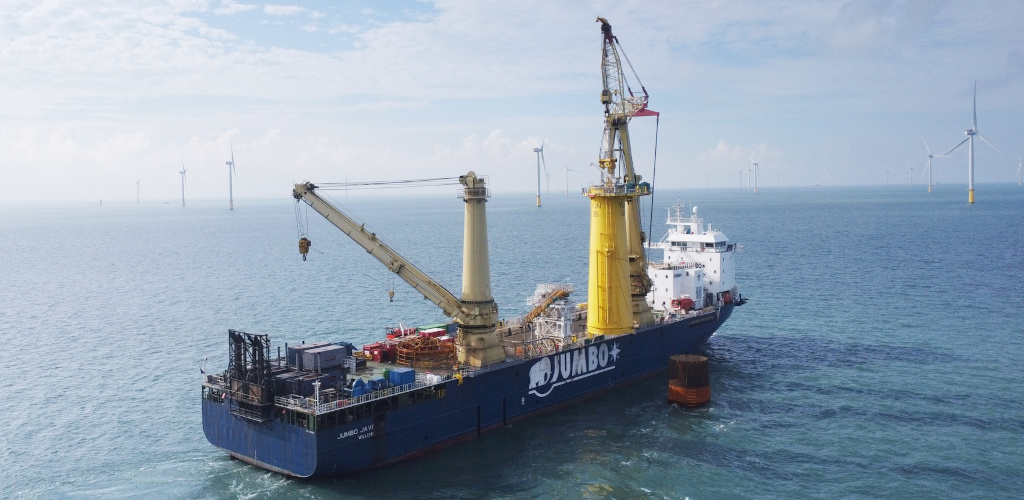
Foto atas: Jumbo Offshore mengangkut TP untuk ladang angin luar pesisir Yunlin Taiwan
Kedua: Matt Bowden, Cadeler
.jpg?ext=.jpg)



.png?ext=.png)








.png?ext=.png)







_3.png?ext=.png)
_1.jpg?ext=.jpg)








.png?ext=.png)
.png?ext=.png)
.png?ext=.png)