Kobelco Mengatasi Kekangan dalam Perpindahan Berisiko Tinggi ke Kyushu

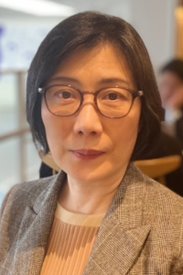
Noriko Sano, pengurus besar logistik perniagaan luar negara di Kobelco, cabang logistik pengeluar keluli Jepun Kobe Steel dan ahli The Heavy Lift Group (THLG), membawa kita ke dalam penghantaran multimodal berisiko tinggi ke kilang semikonduktor di pulau Kyushu dan menawarkan gambaran tentang tekanan yang semakin meningkat dan peluang baru muncul yang membentuk sektor logistik negara.
Daripada Isu 2, 2026 Majalah Breakbulk.
 1. Bolehkah anda menerangkan skop projek ini kepada kami?
NS: Kami ditugaskan untuk mengangkut 17 barang peralatan loji tugas berat dan kritikal ke sebuah kilang milik salah sebuah syarikat pembekalan gas terkemuka di Jepun. Pada masa itu, kemudahan itu sedang dalam pembinaan oleh kontraktor EPC dan bertujuan untuk membekalkan produk ke loji semikonduktor baharu di pulau Kyushu.
Peralatan tersebut diperoleh dari empat lokasi: Empat kotak sejuk diimport dari China, manakala unit yang selebihnya dikeluarkan di dalam negara di tapak di seluruh Jepun. Kontrak tersebut memerlukan semua peralatan dihantar dalam tempoh sembilan bulan yang ketat menggunakan gabungan pengangkutan treler dan kapal. Malah bagi Kobelco, yang mempunyai akses kepada rangkaian subkontraktor dan rakan kongsi logistik yang luas, ini mewakili komitmen tekanan tinggi. Kawalan jadual yang ketat dan mesyuarat projek dua minggu sekali adalah penting untuk memastikan operasi terus berjalan lancar.
2. Apakah cabaran utama semasa projek Kyushu, dan bagaimanakah cabaran tersebut diatasi?
NS: Ini merupakan operasi pengangkutan berat dan logistik projek yang tipikal di mana kaedah pengangkutan ditentukan terutamanya oleh kekangan teknikal dan fizikal dan bukannya oleh kos atau pilihan modal.
Di darat, cabaran utama melibatkan jalan raya yang sempit, struktur atas dan kapasiti jambatan. Sebahagian daripada kargo mempunyai berat sehingga 90 tan, yang memerlukan kelulusan daripada pihak berkuasa tempatan untuk lintasan jambatan. Kami mengumpul data untuk semua jambatan yang berkaitan dan menjalankan penilaian galas beban terperinci ke atas 30 daripadanya. Analisis ini sahaja mengambil masa tujuh bulan. Di samping itu, kontrak tersebut memerlukan penggunaan treler jenis khas untuk menampung panjang dan berat beberapa kotak sejuk. Treler sedemikian terhad bilangannya di Jepun dan biasanya mendapat permintaan tinggi, yang memerlukan perancangan awal yang teliti.
Dari segi maritim, risiko cuaca merupakan satu kebimbangan yang berterusan. Projek ini berjalan sepanjang musim taufan, meningkatkan kemungkinan kelewatan atau pembatalan kapal. Malah kebergantungan yang kelihatan kecil pun berpotensi mengganggu jadual. Contohnya, kren di loji semikonduktor tidak berada di bawah kawalan langsung kami, dan ketersediaannya bergantung pada garis masa pembinaan kontraktor EPC. Halangan fizikal terbesar timbul di pintu masuk ke kemudahan Kyushu itu sendiri, yang terlalu sempit untuk dilalui oleh treler. Selepas menilai alternatif, kami memutuskan bahawa pelebaran jalan masuk adalah satu-satunya penyelesaian yang boleh dilaksanakan. Simulasi CAD (reka bentuk bantuan komputer) yang terperinci telah dijalankan untuk menentukan dimensi yang boleh dilaksanakan sebelum pengubahsuaian dijalankan.
3. Apakah yang paling menonjol daripada operasi Kyushu?
NS: Projek ini menggariskan betapa tepat dan tidak berbelah bahaginya logistik angkat berat. Dalam satu keadaan, jarak antara jambatan pejalan kaki dan kargo yang dimuatkan di atas treler hanya 150 milimeter. Pemandu teragak-agak, menyatakan kebimbangan untuk mencuba manuver tersebut. Walau bagaimanapun, ukuran ketinggian telah diambil serta-merta terlebih dahulu, dan kami yakin sepenuhnya bahawa laluan yang selamat adalah mungkin, yang akhirnya terbukti benar.
Detik-detik sedemikian mengukuhkan lagi kepentingan persediaan, pengukuran yang tepat dan kepercayaan antara perancang dan pengendali, yang semuanya penting dalam operasi angkat berat dan kargo projek.
4. Bagaimanakah projek ini berkaitan dengan strategi “Anjakan Modal” Kobelco dan keupayaan pengangkutan yang lebih luas?
NS: Bagi projek ini, mod pengangkutan ditentukan oleh saiz kargo dan kekangan teknikal, serta memerlukan pelaksanaan multimodal yang kompleks dan diselaraskan dengan ketat merentasi laut dan jalan raya. Pengalaman ini telah memperkukuh keupayaan logistik Kobelco dalam mengurus operasi berisiko tinggi dan kritikal masa.
Secara berasingan, syarikat itu sedang memajukan inisiatif "Anjakan Modal" yang lebih luas sebagai tindak balas kepada keperluan pengurangan pelepasan CO2, serta kekurangan pemandu dan peningkatan kos logistik di Jepun, yang dijangka mengurangkan kapasiti pengangkutan sehingga 34% menjelang 2030. Dengan mengalihkan sebahagian besar pengangkutan jentera pembinaan Kobelco dari jalan raya ke laut, perniagaan teras bahagian itu, dan dengan memanfaatkan kepakaran operasi armada pesisir dan pelabuhannya, Kobelco sedang membina model logistik yang lebih berdaya tahan, cekap dan rendah karbon.
THLG akan mengadakan pameran di Breakbulk Europe 2026. Temui ahlinya di gerai 2E50-F51.
.jpg?ext=.jpg)

.png?ext=.png)




.png?ext=.png)




_3.png?ext=.png)
_1.jpg?ext=.jpg)







.png?ext=.png)
.png?ext=.png)
.png?ext=.png)