Highlights
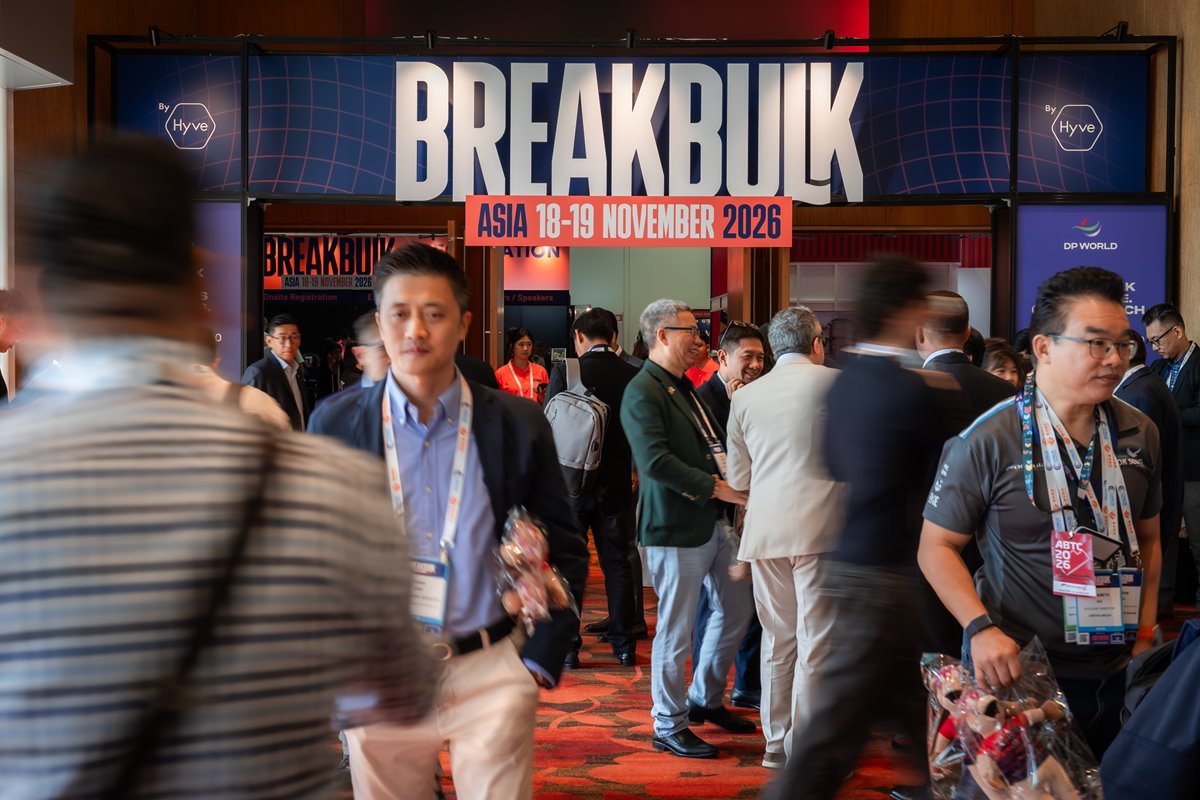
Day 1 Delivered: What a Start!
Day 1 of Breakbulk Asia is officially in the books - and what a day!
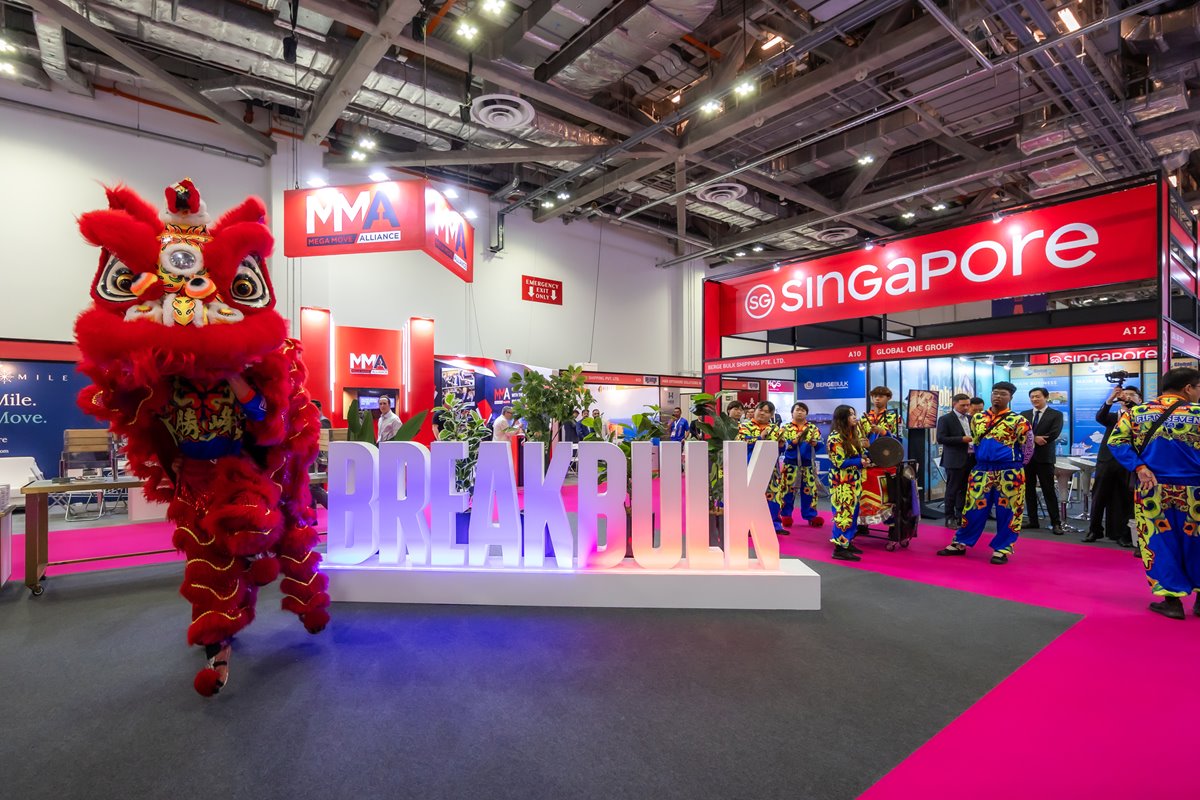
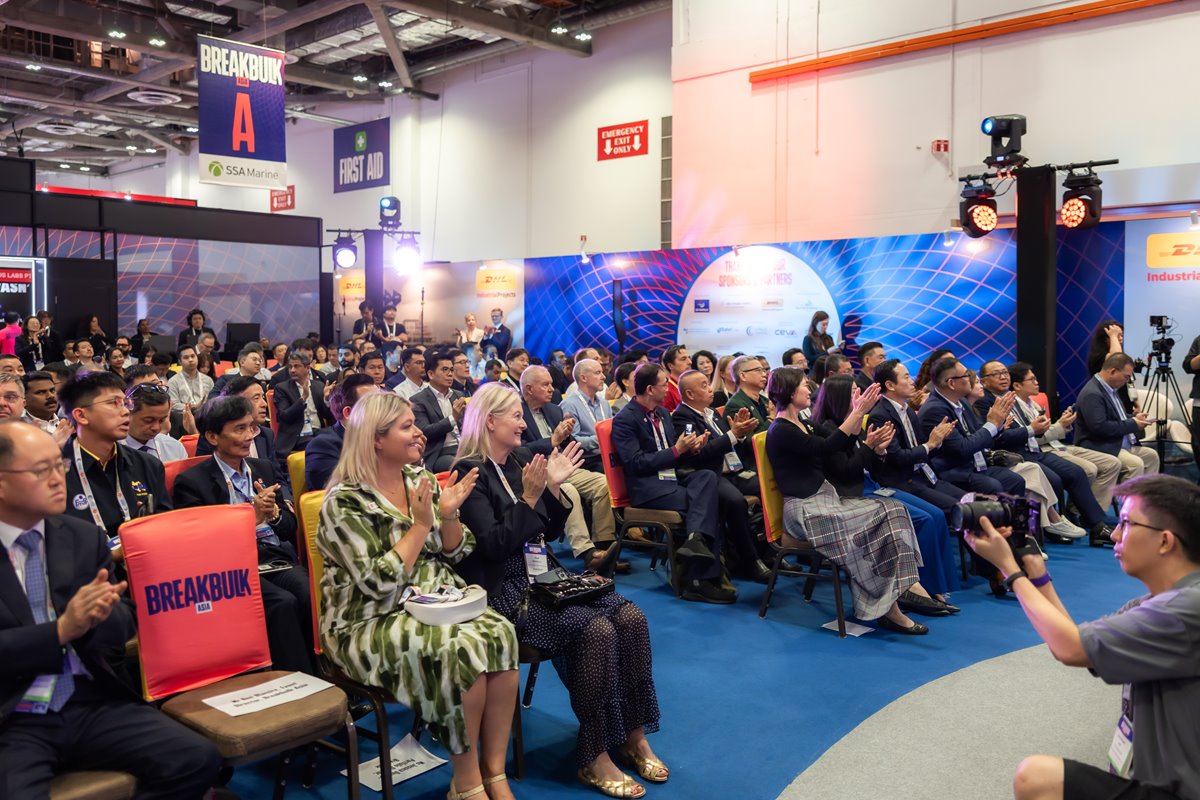
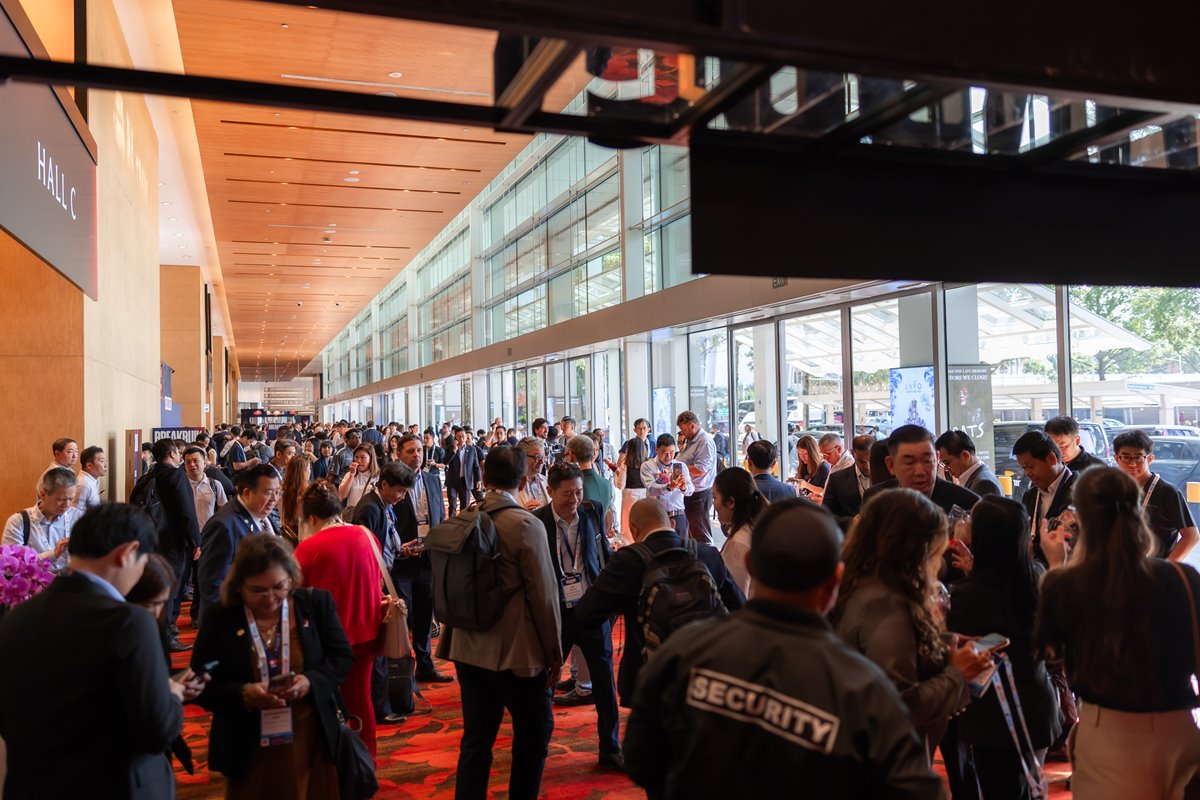
More than 6,500 industry professionals came together at Sands Expo and Convention Centre for a packed day of connections, ideas and insight.
From inspiring keynote speakers and fresh thinking at The Innovation Pitch to the Women in Breakbulk Power Breakfast, there was plenty to get talking about. The NextWave 30 Networking Hour and Project Finance Forum brought even more chances to connect and learn - and we’re only getting started.
See what you missed, then make plans to join us for Day 2.
Day 1 highlights from the Breakbulk Live Stage
A port may be ready to receive a vessel carrying heavy equipment. But can the road beyond the quay take the load? That question, raised during the Megaproject Asia panel, captured a recurring theme across Day 1 at Marina Bay Sands. Asia’s investment in energy, manufacturing and digital infrastructure is creating work for the project cargo sector. Delivering it takes decisions that start long before a vessel arrives.
Singapore puts specialist logistics in the spotlight
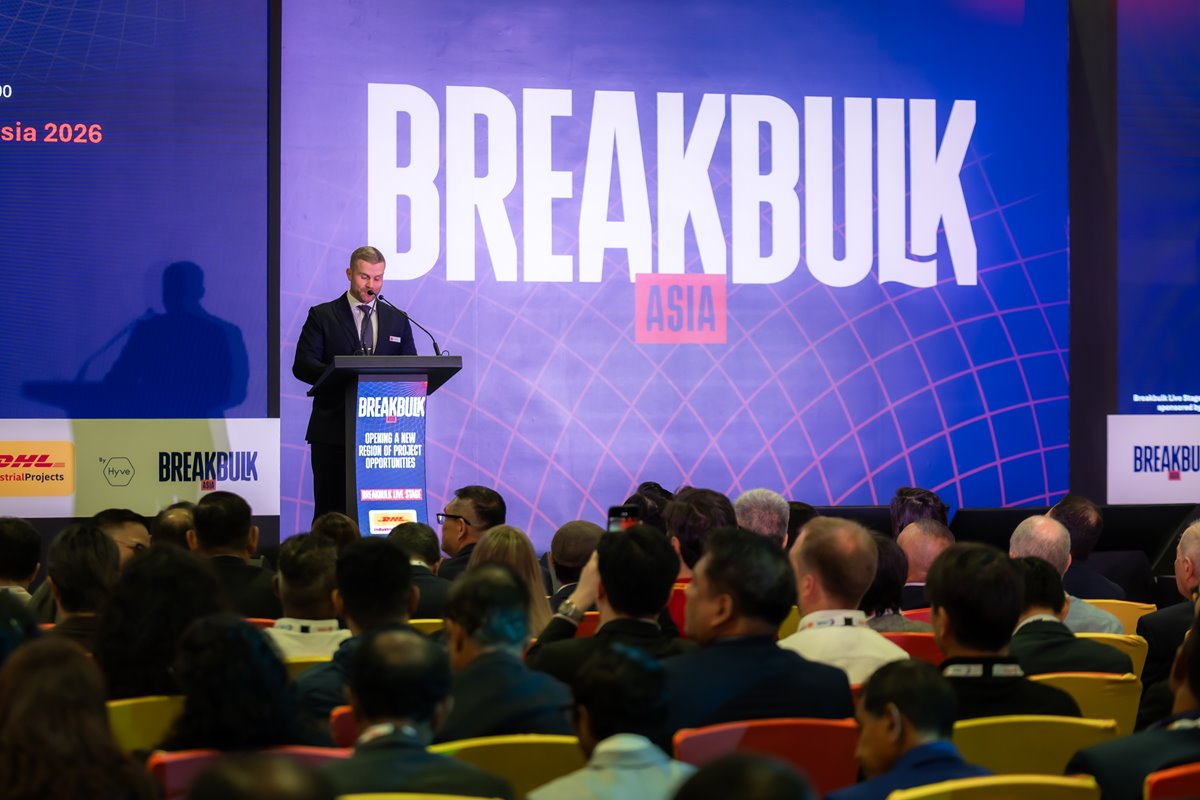
Event Director Ben Blamire welcomed the project cargo community to Singapore for the launch of Breakbulk Asia. The opening remarks brought the industry’s role back to what matters to a cargo owner. A delivery can determine when a factory starts production or when a power project connects to the grid.
In the ministerial keynote, Singapore’s Minister of State Gan Siow Huang highlighted 23 companies exhibiting at the Singapore Pavilion, organised by the Singapore Logistics Association with support from Enterprise Singapore. Her invitation to international partners was direct: “I invite you to tap on Singapore’s connectivity, expertise, and business ecosystem as you expand across Asia.”
Asia’s next trade routes are taking shape
Dr Parag Khanna traced trade between pairs of Asian economies from 2005 to 2025. Across the pairs he examined, volumes rose at every five-year interval. He pointed to Singapore, Johor and Indonesia’s Riau Islands as one place to watch, where better cross-border connections could allow manufacturers and logistics providers to operate across three countries as one industrial region.
Khanna also challenged assumptions about how much infrastructure Asia will need. Data centres barely featured in investment conversations a decade ago, he recalled. Now their power requirements sit alongside growing demand from factories and cooling systems. “So we need so much more infrastructure than we think we do,” he said.
What makes an alternative route usable?
Opening the trade discussion, Gulftainer Group CEO Farid Belbouab drew on the operator’s experience in the UAE to explain why access to alternative gateways matters when established routes come under pressure. “Globalization is not ending. It is changing shape,” he said.
The Fragmentation, flows and the future of trade panel took that argument down to the quay. The discussion of Suzhou Port highlighted the preparation behind a fast turnaround: cargo owners supplying accurate cargo lists, customs receiving information early, and partners agreeing how the cargo will be loaded.
Ang Wee Keong, Chief Executive of the Maritime and Port Authority of Singapore, returned to that theme in his maritime resilience keynote. His call was to “invest ahead of demand, keep our options open and to deepen trusted partnerships across ports, businesses and countries.”
The heavy lift starts long before the cargo moves
In the major EPC panel, JGC’s Koichi Kaizu discussed the use of digital twins in heavy-lift planning. On a modular project, an error in the execution plan can affect the entire build. Testing that plan becomes especially valuable when a contractor must decide whether to pay for additional infrastructure before work begins.
The Megaproject Asia panel brought the point home with an example from Vietnam, where inland transport difficulties had delayed onshore wind development. Its practical takeaway for project owners was to involve transport engineers early enough to assess the whole route. A berth that can receive the vessel solves only the first part of the journey.
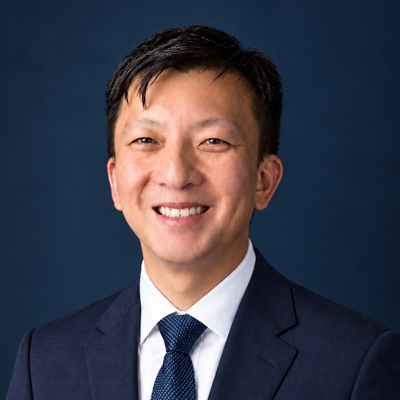
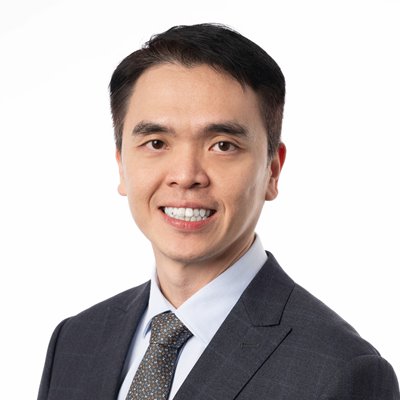
We heard from...



Network and learn
Breakbulk Asia Innovation Pitch
The first-ever Breakbulk Asia Innovation Pitch was a live showcase of practical technologies for breakbulk and project logistics. Finalists presented solutions to challenges such as bottlenecks, limited visibility, complex documentation and emissions.
Attendees saw how these innovations could be applied to real projects and came away with a clearer picture of which solutions offered practical value, scalability and potential to improve project delivery.
NextWave 30 Networking Hour
The NextWave 30 Networking Hour in partnership with YoungShip Singapore, brought early-career professionals together to meet peers, share perspectives and build connections across the project cargo and logistics industries. This informal session offered a relaxed way to grow their network and connect with others at a similar stage in their careers.
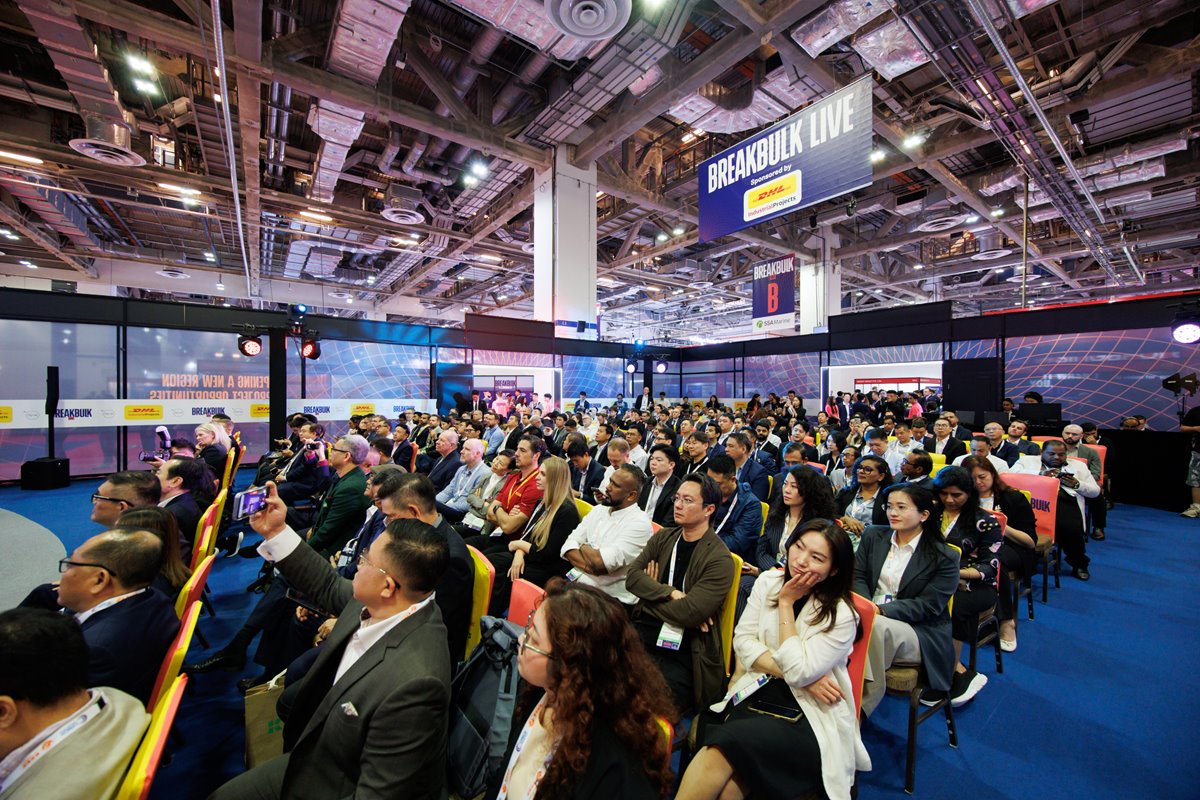
Project Finance Forum
The Project Finance Forum brought senior industry leaders together to explore what makes major projects bankable and how lenders, insurers and investors influence which projects move forward.
Through discussion of capital flows into Asia’s major projects and the expectations of finance providers, attendees gained a clearer understanding of how bankability, risk and investment decisions affect project owners, EPCs and supply chain partners. They left with useful context for navigating the financial considerations behind project delivery.
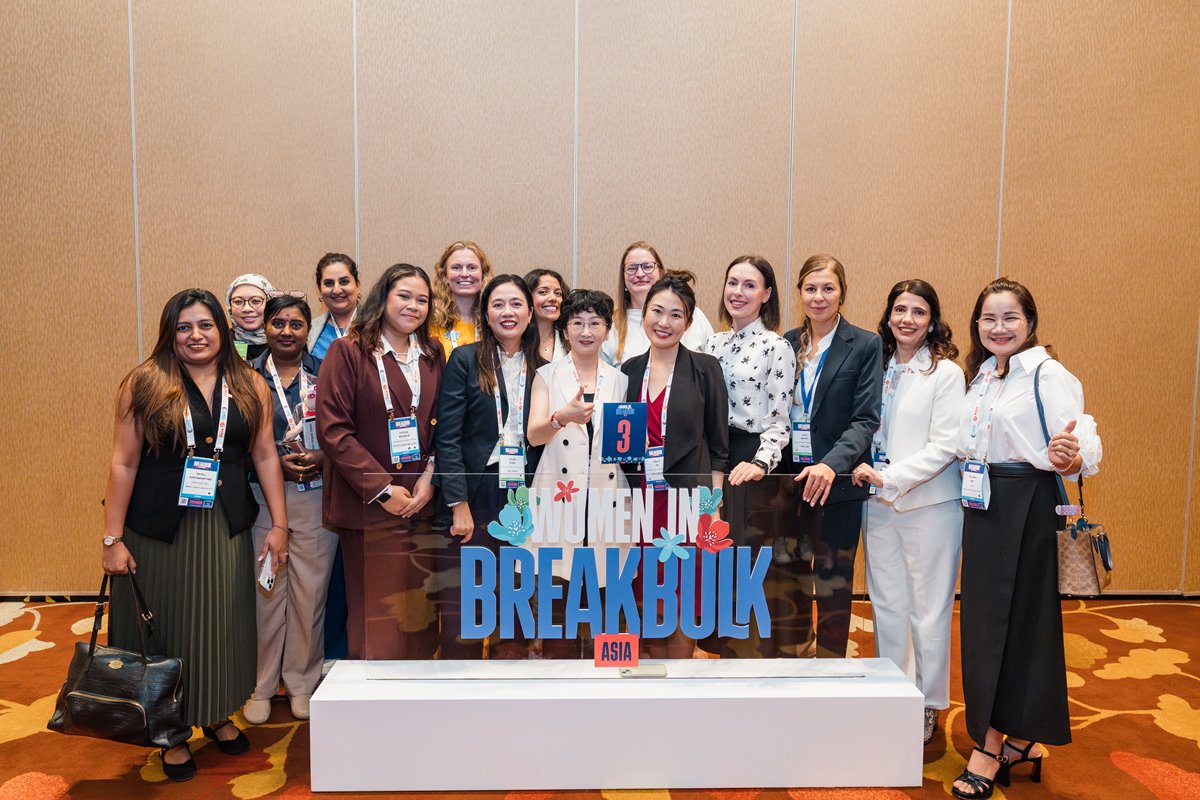
Women in Breakbulk Power Breakfast
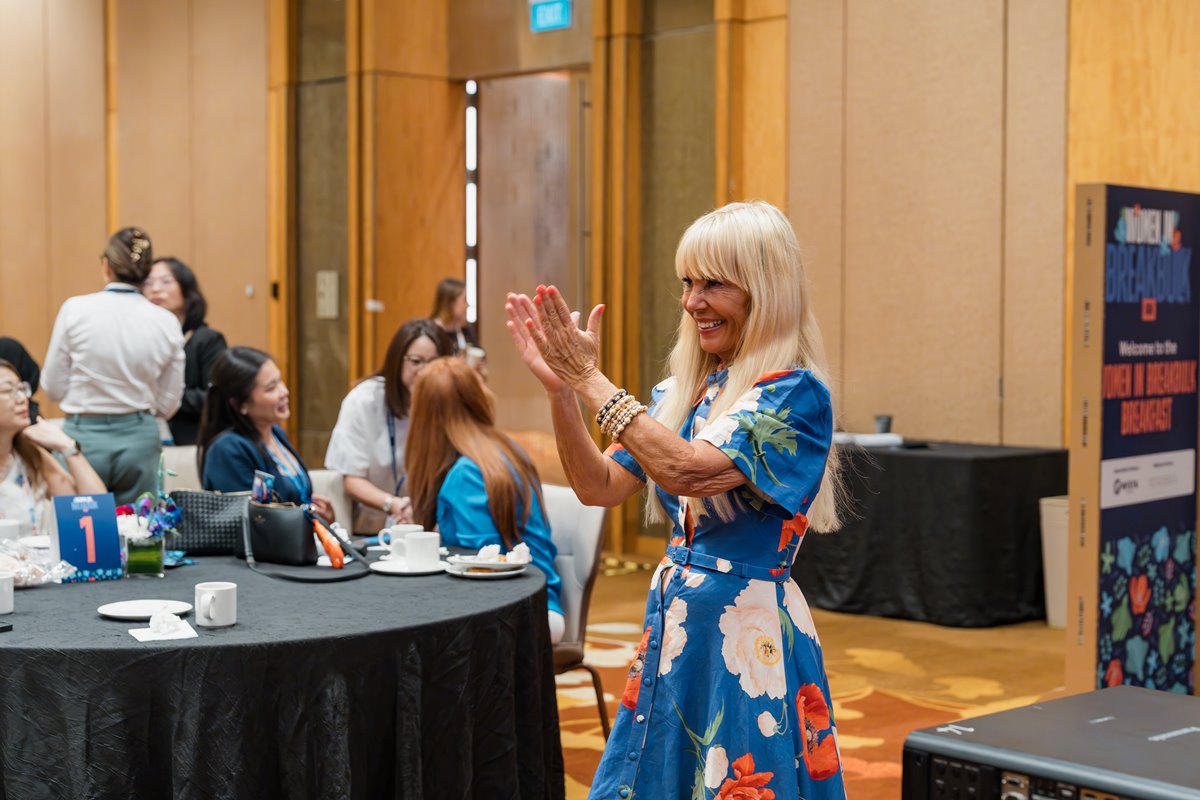
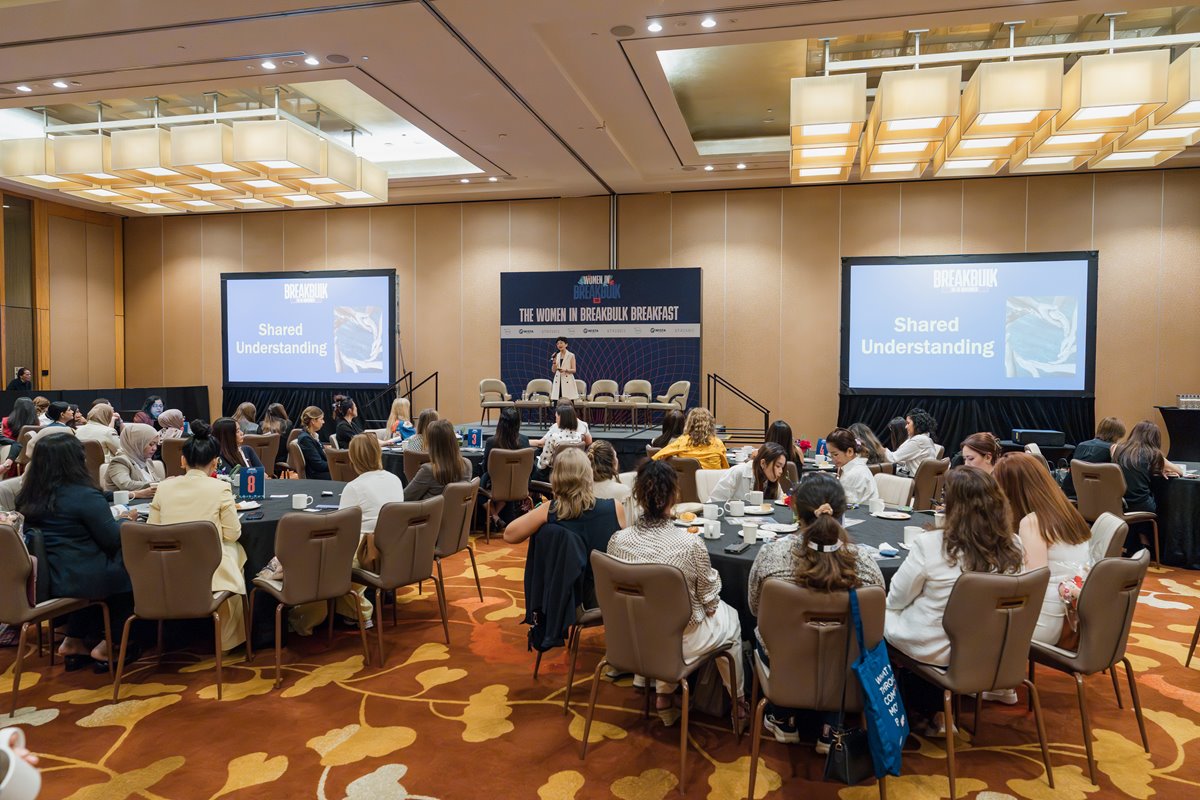
The Women in Breakbulk Power Breakfast brought women together at the start of Breakbulk Asia for breakfast, conversation and connection.The program focused on energy, collaboration and connection, with discussions on faster decision-making, adapting to change and how women sustain their energy in demanding roles. Attendees heard a keynote, took part in an industry panel and joined interactive activities over breakfast, coffee and tea.
2026 Highlights
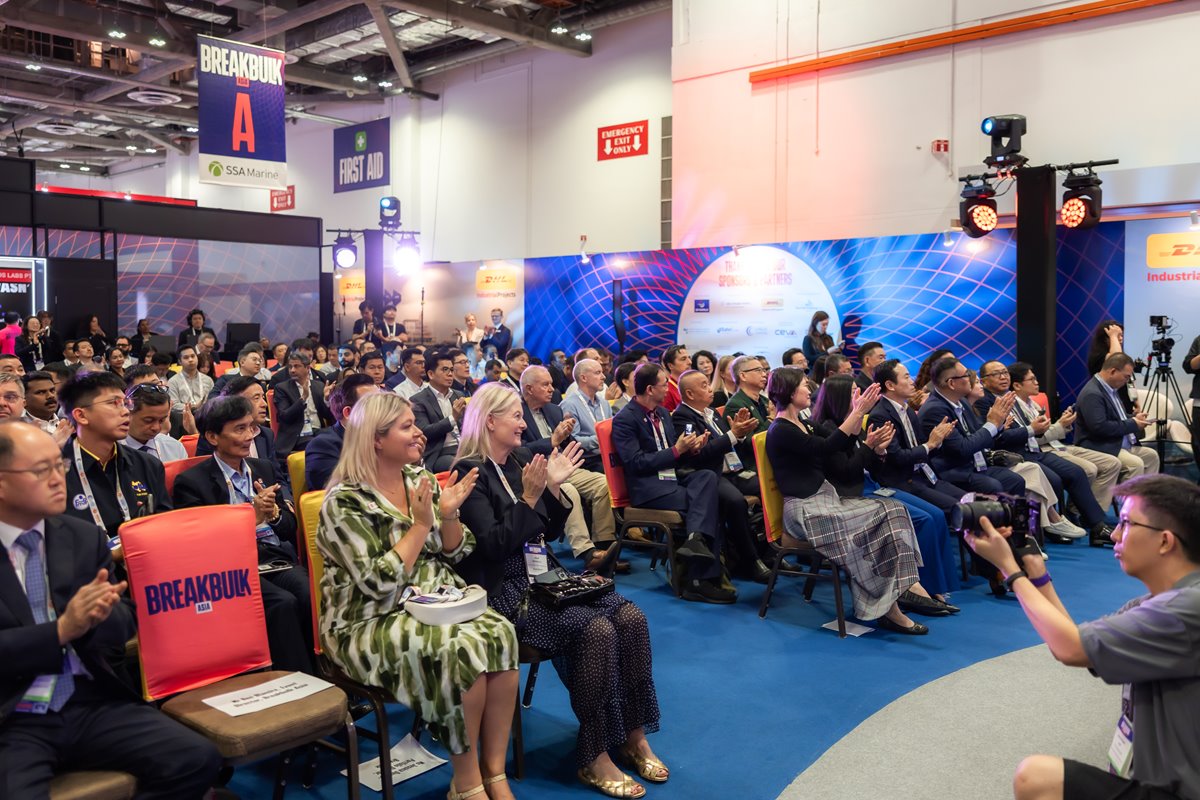
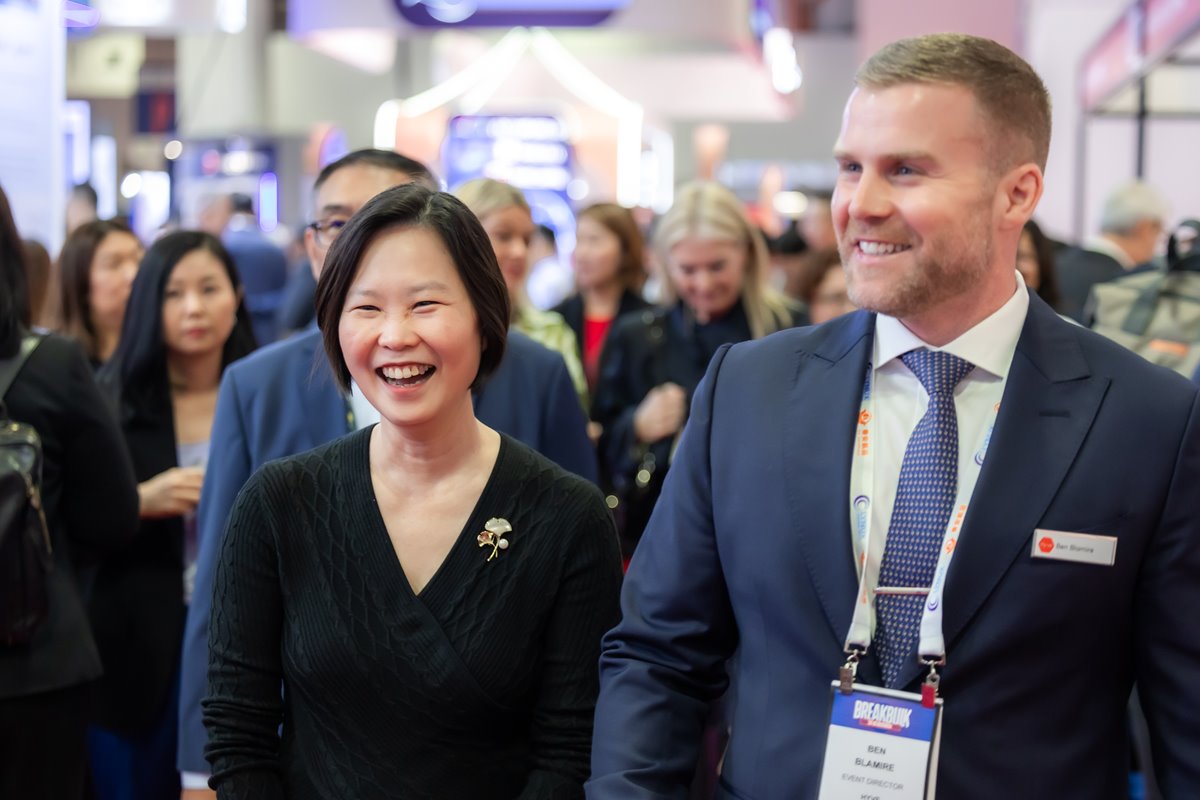

Breakbulk Asia is officially open!
There’s still time to join us for Day 2. Get your free ticket and connect with the companies shaping the industry.