
What a debut, Singapore!
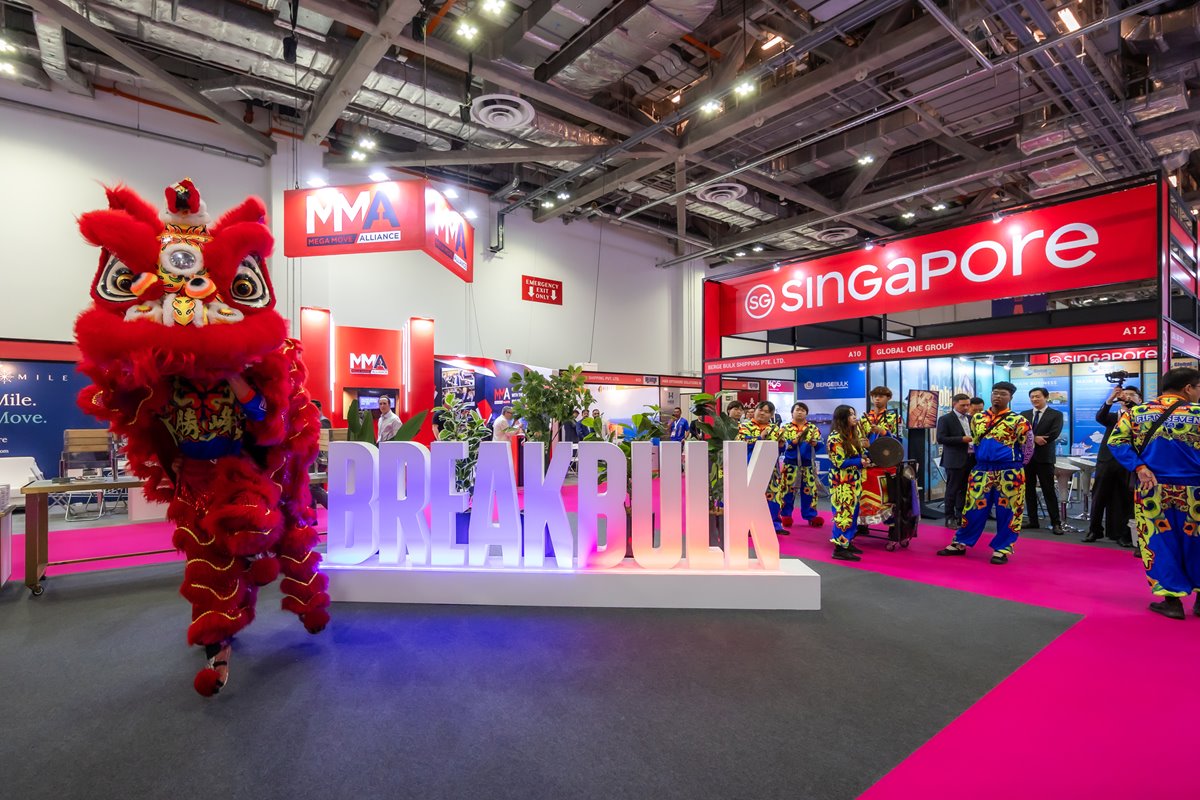
Breakbulk Asia’s inaugural edition brought more than 8,000 industry professionals together at Sands Expo and Convention Centre for two days of fresh thinking, industry insight and meaningful connections.
Across the programme, the community came together at inspiring keynotes, The Innovation Pitch, the Women in Breakbulk Power Breakfast, Project Finance Forum, NextWave Education Day and the BUSINESSrun. Conversations explored the future of energy, infrastructure and supply chains, the impact of geopolitics on marine-fuel choices, and whether fleet capacity can keep pace with Asia’s project pipeline.
Two days of bold ideas, new connections and fresh perspectives made for an unforgettable start to Breakbulk Asia.
2026 Gallery
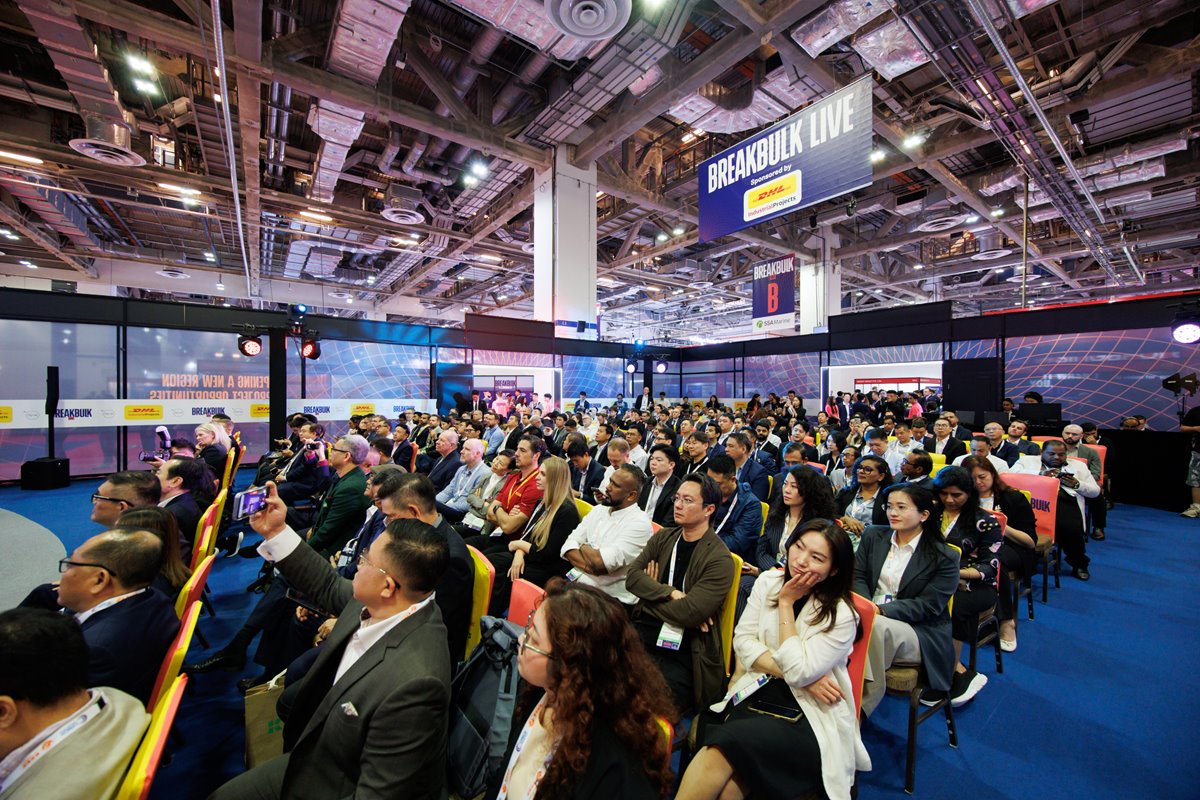
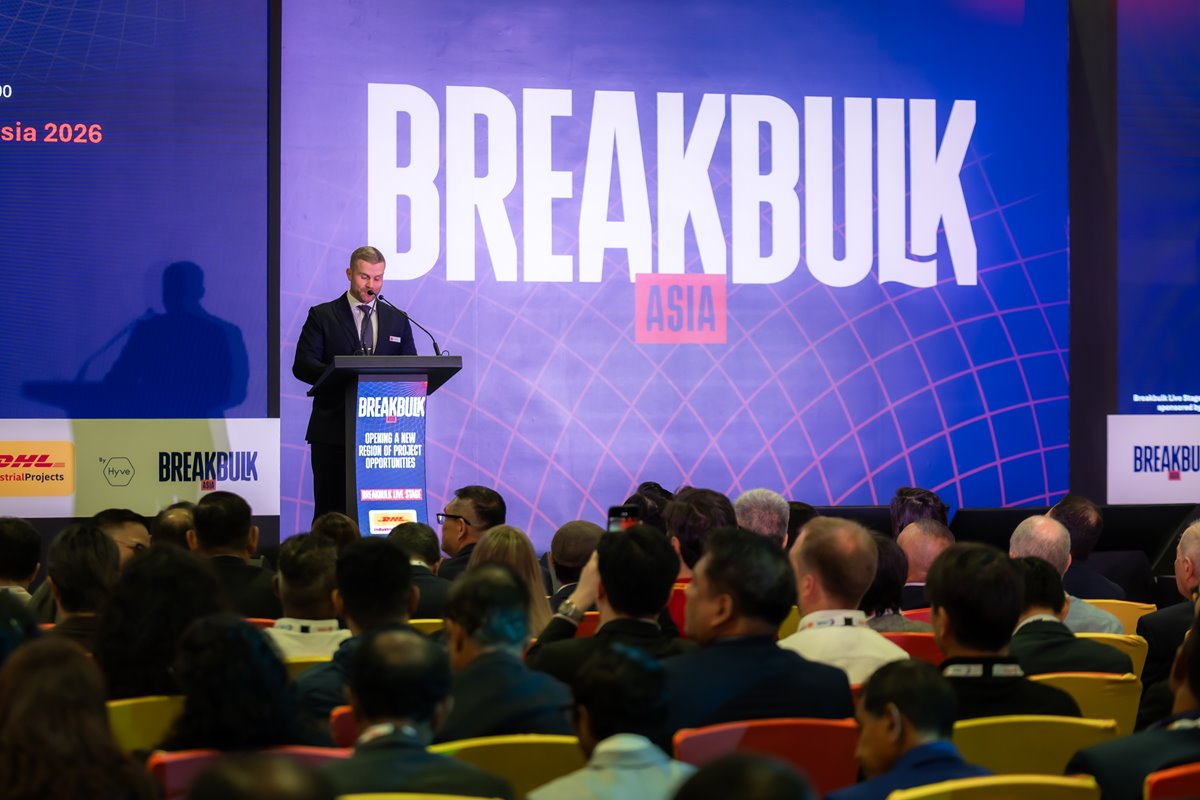
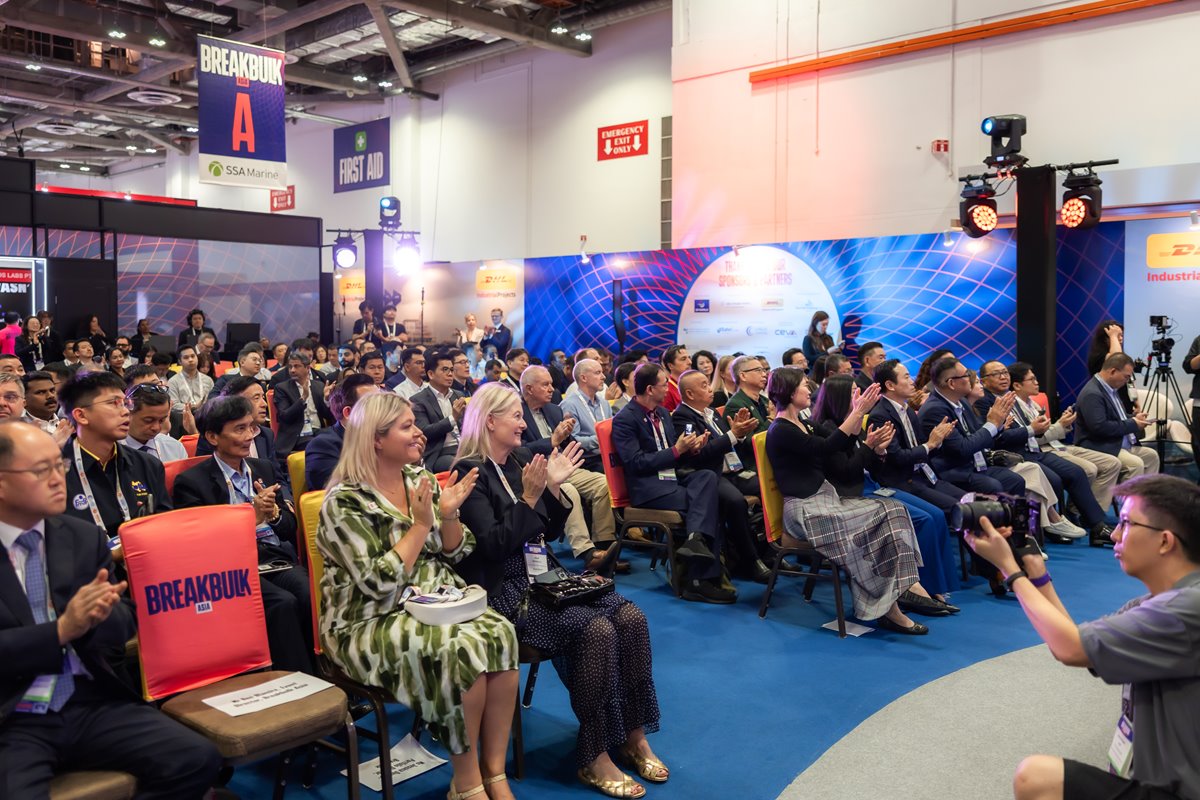


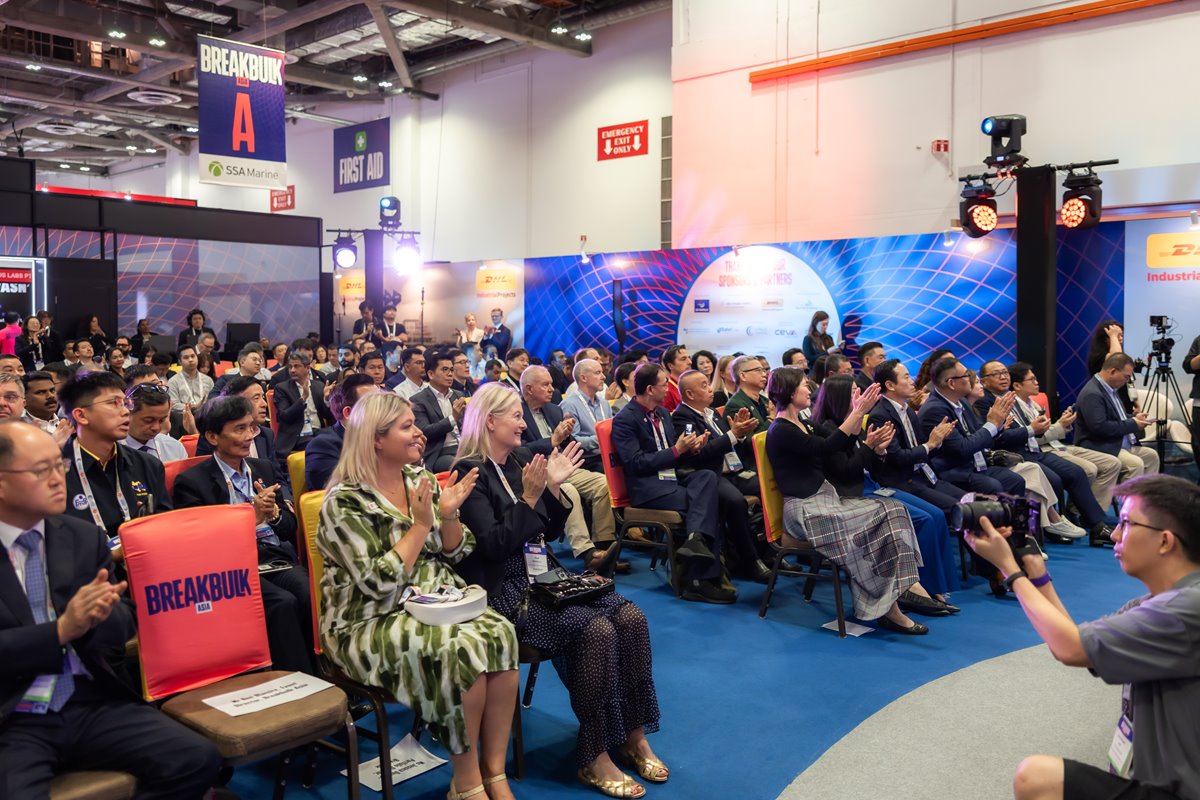
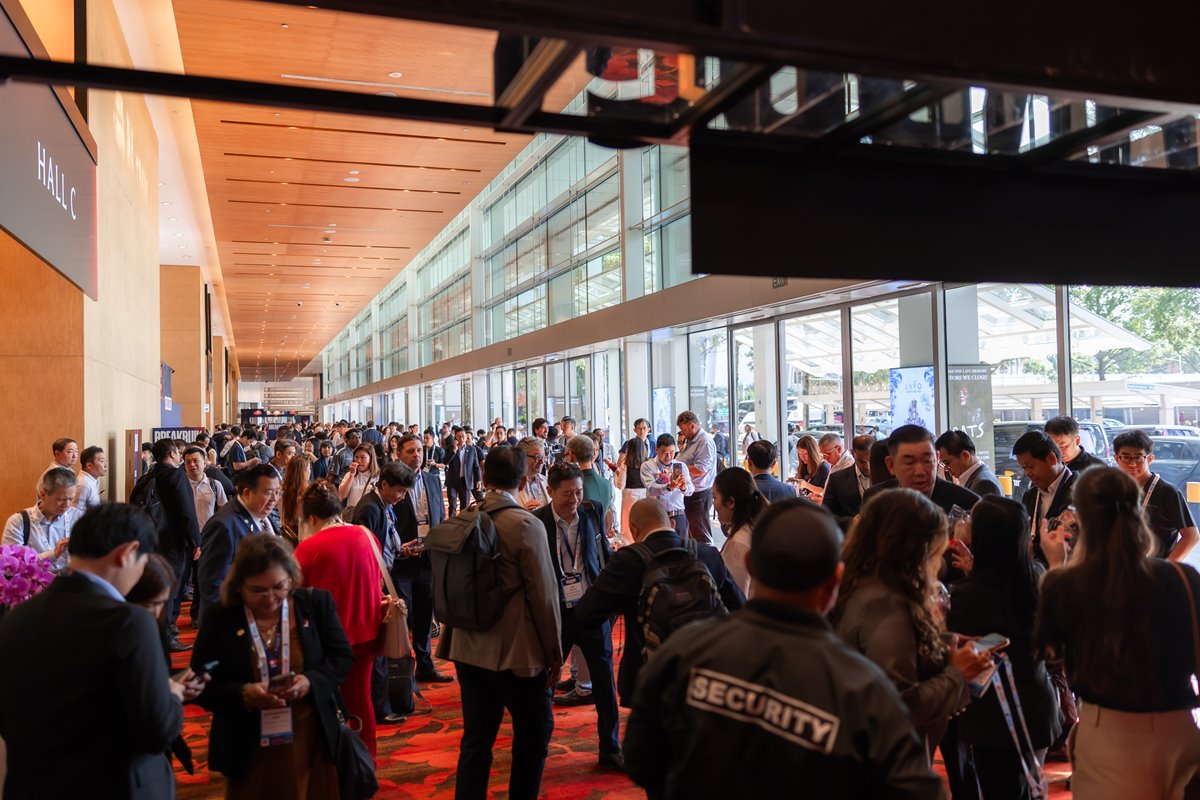
Highlights from the Breakbulk Live Stage
A port may be ready to receive a vessel carrying heavy equipment. But can the road beyond the quay take the load? That question, raised during the Megaproject Asia panel, captured a recurring theme across Day 1 at Marina Bay Sands. Asia’s investment in energy, manufacturing and digital infrastructure is creating work for the project cargo sector. Delivering it takes decisions that start long before a vessel arrives.
Giving young professionals someone to call
The day opened with Breakbulk Asia and YoungShip Singapore signing a memorandum of understanding. YoungShip Singapore’s Gillian Loh recalled that even after six years in shipping, she still had questions she felt she ought to know how to answer. For her, one of the most valuable things the partnership can offer is simple: knowing someone in the industry you can call and ask.
Singapore puts specialist logistics in the spotlight
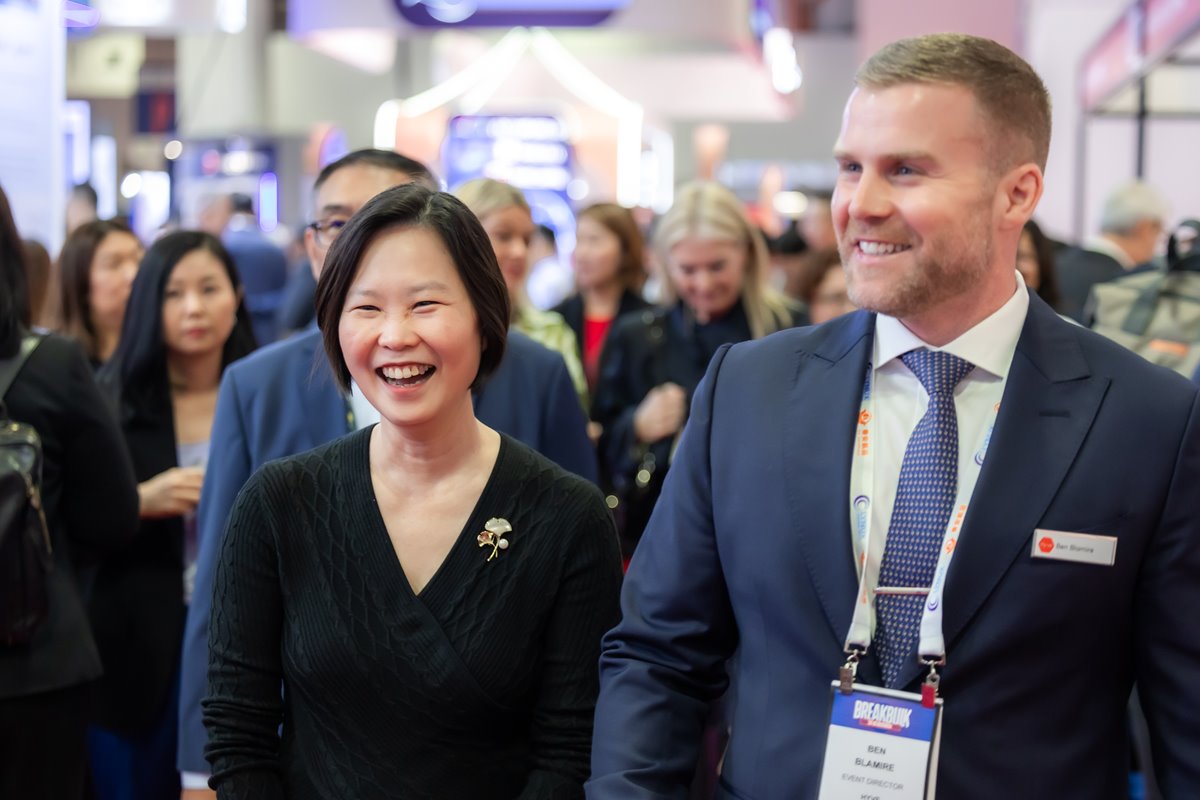
Event Director Ben Blamire welcomed the project cargo community to Singapore for the launch of Breakbulk Asia. The opening remarks brought the industry’s role back to what matters to a cargo owner. A delivery can determine when a factory starts production or when a power project connects to the grid.
In the ministerial keynote, Singapore’s Minister of State Gan Siow Huang highlighted 23 companies exhibiting at the Singapore Pavilion, organised by the Singapore Logistics Association with support from Enterprise Singapore. Her invitation to international partners was direct: “I invite you to tap on Singapore’s connectivity, expertise, and business ecosystem as you expand across Asia.”
Asia’s next trade routes are taking shape
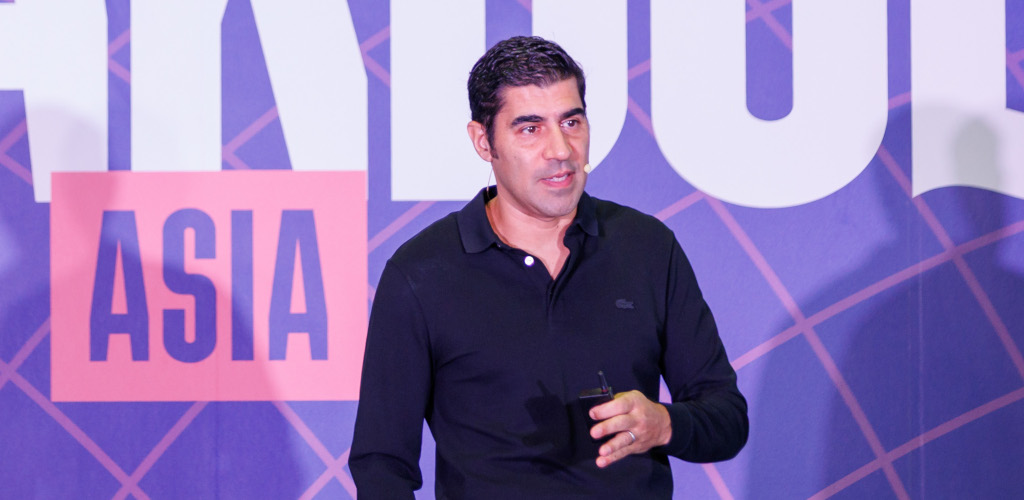
Dr Parag Khanna traced trade between pairs of Asian economies from 2005 to 2025. Across the pairs he examined, volumes rose at every five-year interval. He pointed to Singapore, Johor and Indonesia’s Riau Islands as one place to watch, where better cross-border connections could allow manufacturers and logistics providers to operate across three countries as one industrial region.
Khanna also challenged assumptions about how much infrastructure Asia will need. Data centres barely featured in investment conversations a decade ago, he recalled. Now their power requirements sit alongside growing demand from factories and cooling systems. “So we need so much more infrastructure than we think we do,” he said.
What electric heavy transport looks like on the ground
On the Voices Stage, TII Group’s Thomas Ziegler set out the reliability test for electric heavy transport: equipment moving a monopile during a tidal window has to finish the job on time. A separate case study from Yangjiang showed where the technology is already proving itself. Ziguang Jin described around 900 moves of offshore wind components using an electric transporter. His team recorded a maximum noise level of 65 decibels, compared with more than 100 for the diesel equipment.
The dynamic simulation panel explored how engineers can test a logistics plan before committing equipment or money. JGC’s Koichi Kaizu put the role of engineering judgement succinctly: “Simulation cannot replicate the real world as it is.”
What makes a stronger bid, and who carries the risk?
At the Future Thinkers discussion on tender management, delegates heard how the team at ANDRITZ Hydro gives roughly 30–40% of its tender assessment to factors including the proposed transport plan and the supplier’s reliability. That weighting gives forwarders a reason to show how they will deliver a difficult move, even when another bidder offers a lower rate.
The afternoon’s disruption panel explored what happens when that plan has to change. One example was a vessel waiting outside the Gulf with its cargo intact but a project start-up date slipping. For the project owner deciding whether to wait or reroute, three details mattered immediately: which equipment was on board, what the contract covered and who could authorise an alternative.
What makes an alternative route usable?
Opening the trade discussion, Gulftainer Group CEO Farid Belbouab drew on the operator’s experience in the UAE to explain why access to alternative gateways matters when established routes come under pressure. “Globalization is not ending. It is changing shape,” he said.
The Fragmentation, flows and the future of trade panel took that argument down to the quay. The discussion of Suzhou Port highlighted the preparation behind a fast turnaround: cargo owners supplying accurate cargo lists, customs receiving information early, and partners agreeing how the cargo will be loaded.
Ang Wee Keong, Chief Executive of the Maritime and Port Authority of Singapore, returned to that theme in his maritime resilience keynote. His call was to “invest ahead of demand, keep our options open and to deepen trusted partnerships across ports, businesses and countries.”
The heavy lift starts long before the cargo moves
In the major EPC panel, JGC’s Koichi Kaizu discussed the use of digital twins in heavy-lift planning. On a modular project, an error in the execution plan can affect the entire build. Testing that plan becomes especially valuable when a contractor must decide whether to pay for additional infrastructure before work begins.
The Megaproject Asia panel brought the point home with an example from Vietnam, where inland transport difficulties had delayed onshore wind development. Its practical takeaway for project owners was to involve transport engineers early enough to assess the whole route. A berth that can receive the vessel solves only the first part of the journey.
Which ships will be available when projects need them?
On the Breakbulk Live Stage, Mehmet Öğütçü urged companies planning long-term investments in energy and infrastructure to revisit their assumptions every three months. A disruption at the Strait of Malacca, he argued, could change the outlook for companies across Asia in a matter of hours.
Drewry’s Dr Ferenc Pasztor offered a practical way to read the fleet figures. Larger newbuilds can push up total carrying capacity, but a shipper looking for a particular sailing also needs to know how many suitable vessels are available. The fleet readiness panel took that a step further. Even with cargo on board and space secured, a queue outside one of the few ports still operating can add days to delivery.
Highlights from the show
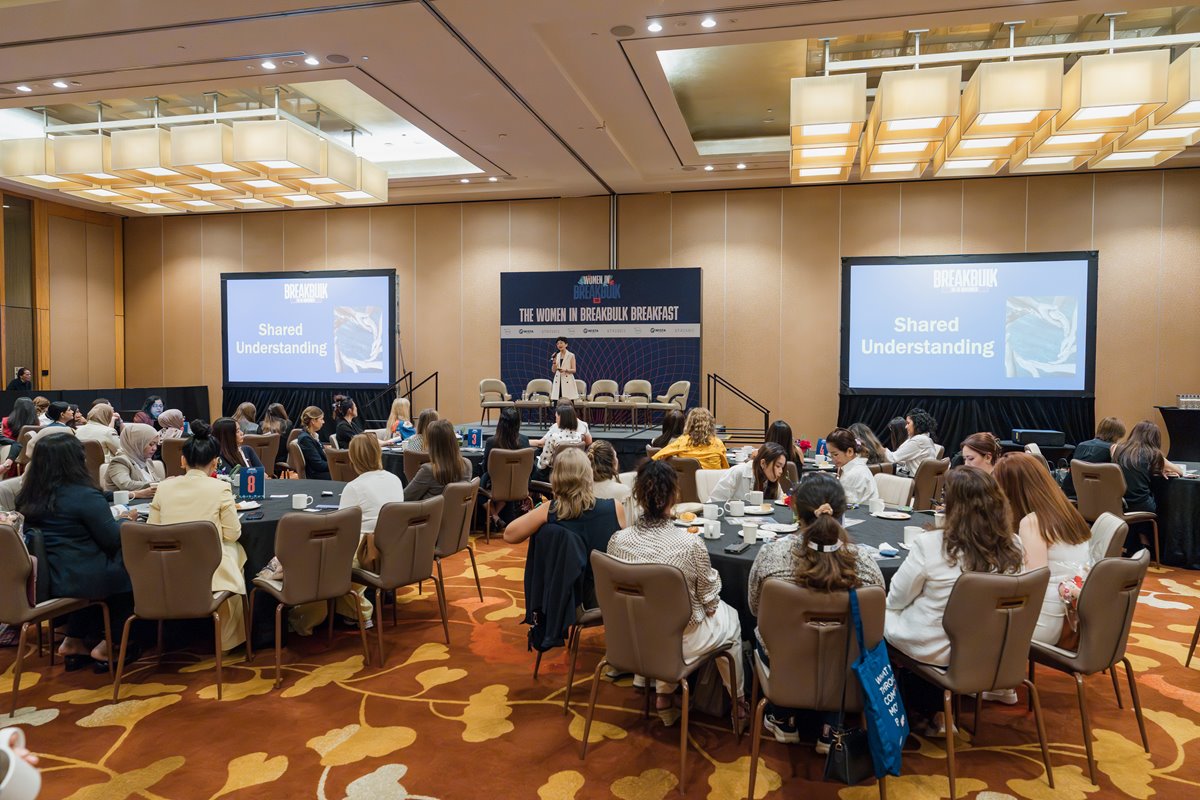
Women in Breakbulk Power Breakfast
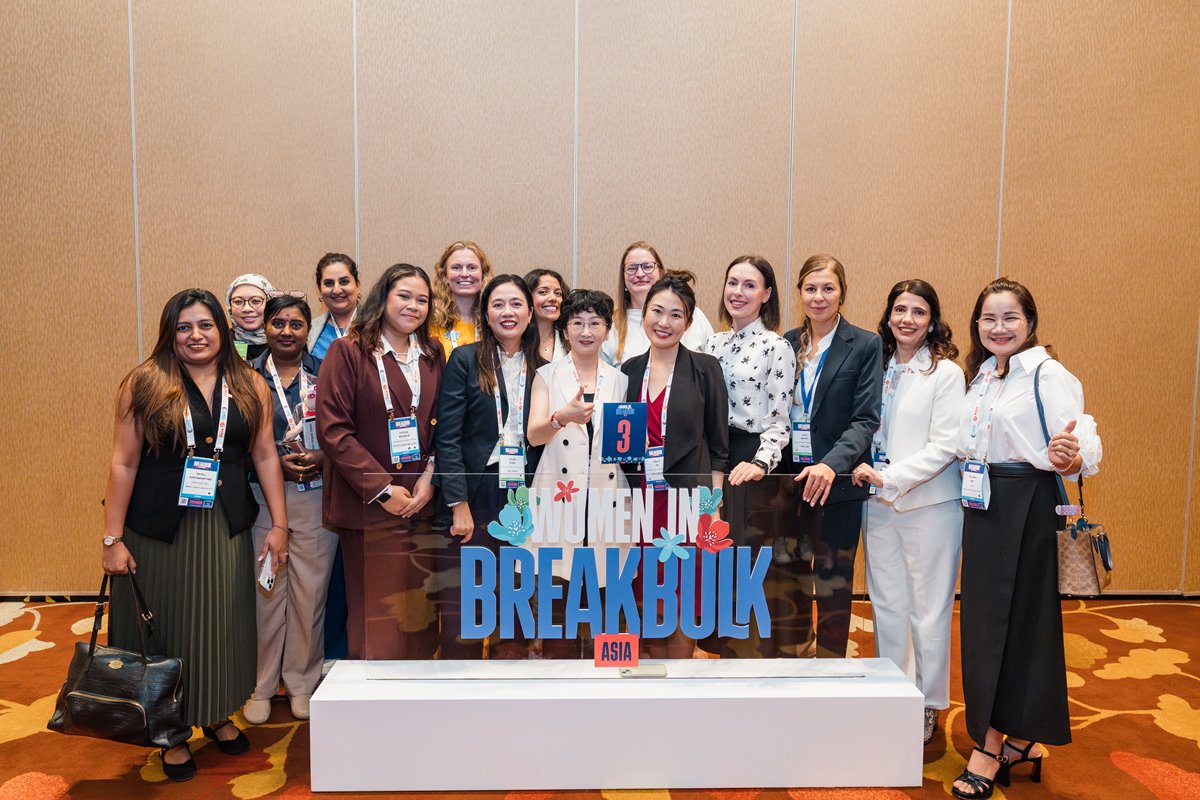
Women from across the project cargo industry came together for breakfast, conversation and networking. The programme featured a keynote on faster decision-making, a panel on Asia’s energy projects, a sound experience and a wellness session - offering fresh perspectives and practical inspiration.
Breakbulk Asia Innovation Pitch
Startups took to the stage to present market-ready solutions for breakbulk and project cargo to an expert judging panel and industry audience. The live competition gave finalists a chance to showcase their innovations, receive feedback and connect with potential partners across the sector.
NextWave Education Day
Students got a first-hand look at careers in breakbulk, project cargo and maritime logistics. Through career conversations, practical advice, a team problem-solving challenge and an exhibition tour, they explored the industry and connected with professionals from across the supply chain.
Project Finance Forum
Industry leaders explored what makes major projects bankable and how lenders, insurers and investors are shaping Asia’s project pipeline. The discussion examined what funders look for and what changing finance conditions mean for project owners, EPCs and supply chain partners.
Breakbulk Asia will be back in 2027!
Following the success of the inaugural edition, Breakbulk Asia will return to Singapore, 17-18 November 2027! Register your interest today!
Industry Insights
Asia’s Trade Boom To Fuel Infrastructure Investment
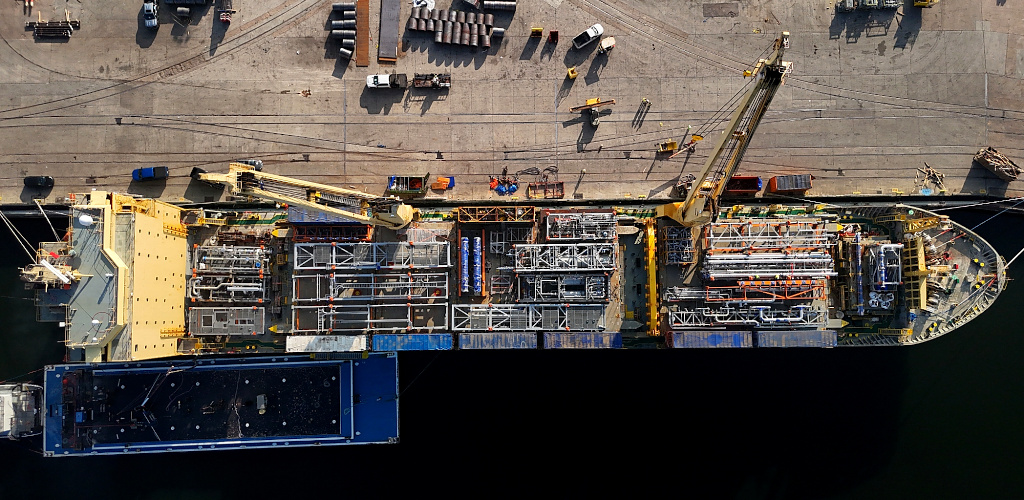
AAL Loads 6,600 Tonnes of Project Cargo in Mangalore
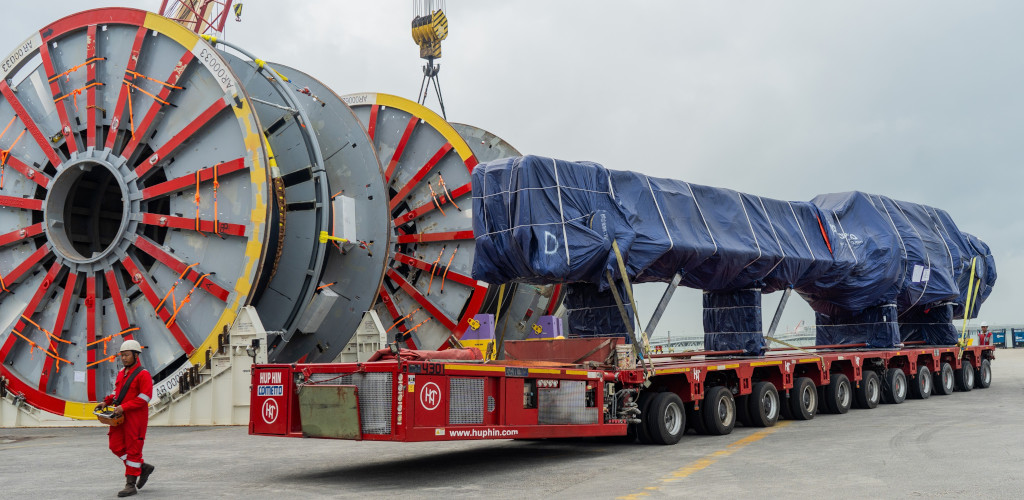
Outlook 2027: Asia’s Project Pipeline Hold Strong

AI Starts With People
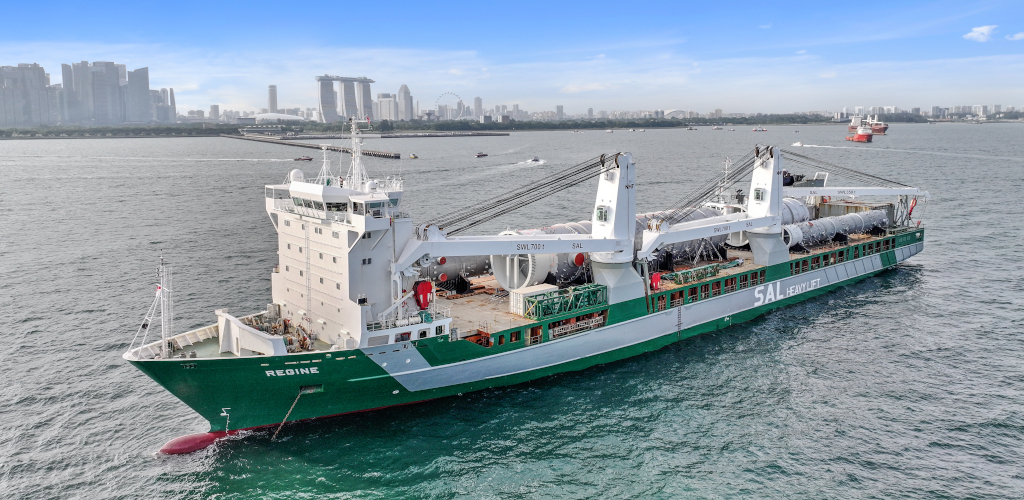
AI, Nuclear and the Case for Regional Collaboration
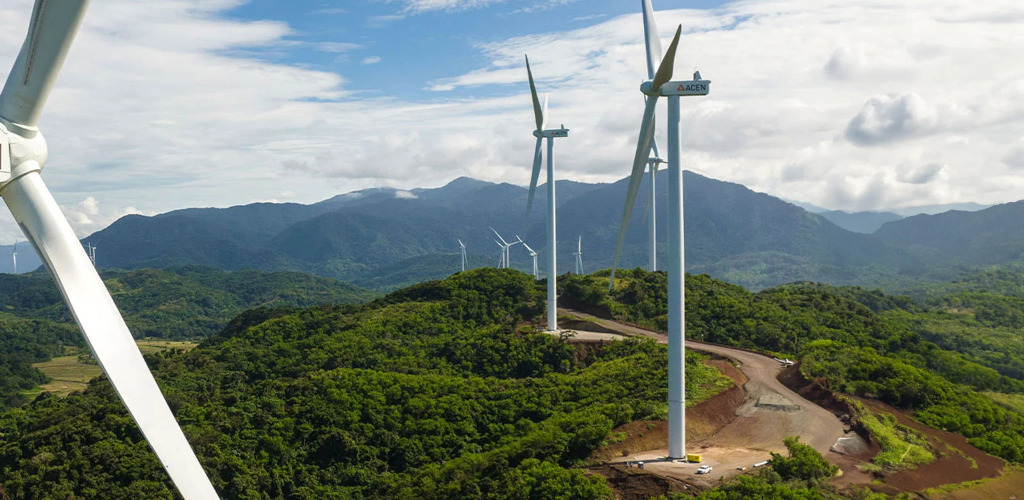
Renewables and Green Molecules: The Harder, Longer Bet
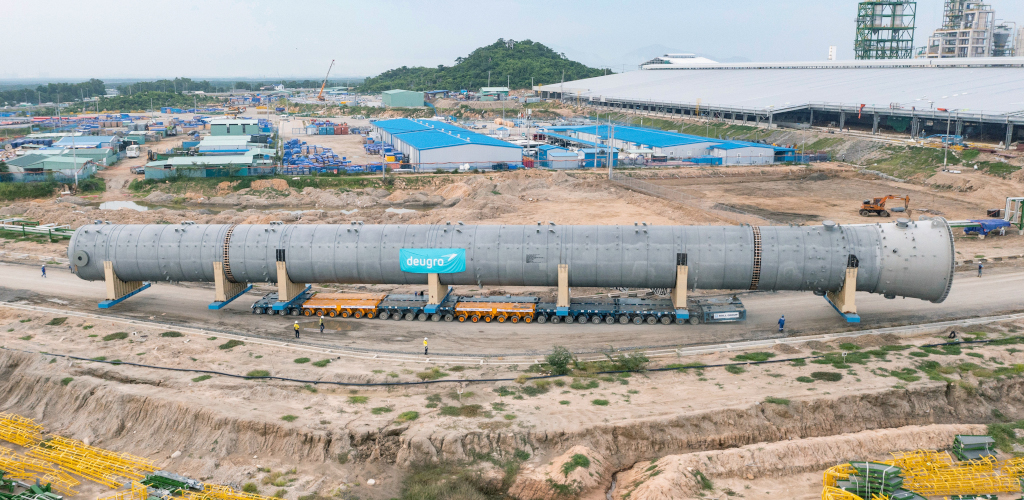
Coal, Gas and the Gravitational Pull of the Status Quo
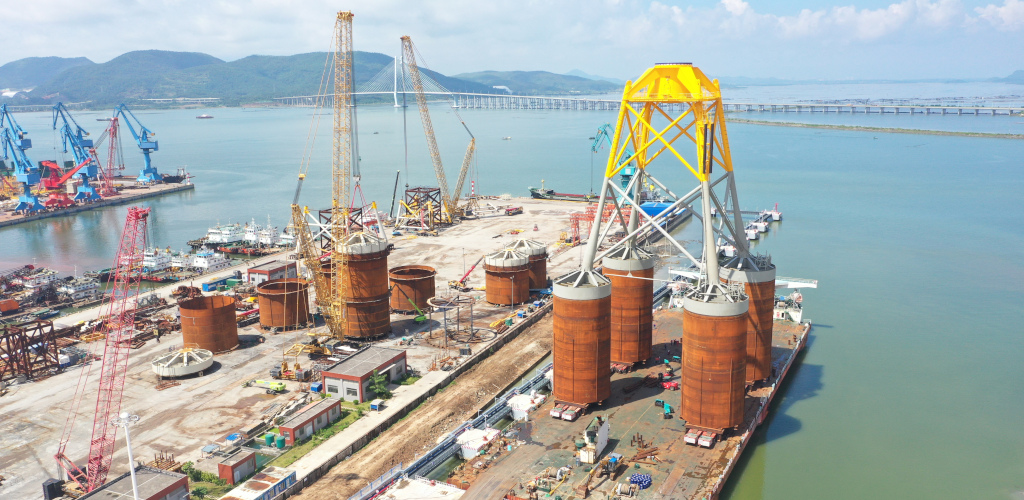
After 900 APMT Moves, This Crew Won’t Go Back to Diesel
Frequently Asked Questions
Yes! The Breakbulk on the Rise program is designed for first-time exhibitors, offering a lower entry price and placement in a consolidated, high-visibility space. It’s an excellent opportunity to introduce your company and connect with industry leaders. Simply fill in this form and a member of the team will be touch to discuss your options.
There are multiple ways to get involved - you can join as a visitor, exhibit to showcase your solutions, or consider sponsorship to gain maximum visibility. Learn more about exhibiting.
We offer a variety of advertising opportunities, including ads in Breakbulk Magazine (distributed at the event), BreakbulkONE (our monthly newsletter), and website banner ads. These options help expand your reach before, during, and after the event. See the Media Kit and talk to your sales representative.
-
Wednesday, 17 November 2027: 10:00 - 18:00
-
Thursday, 18 November 2027: 10:00 - 17:00
Breakbulk Asia 2026 will take place on 17-18 November 2027, in Singapore. The venue is Sands Expo and Convention Centre, Marina Bay Sands.
Breakbulk Asia brings together over 4,000 industry professionals from around the world, offering unmatched opportunities to connect with companies of all sizes across the project cargo supply chain - including shippers, specialized transporters, project forwarders, and key service providers who play vital roles on project teams.
We chose Singapore for Breakbulk Asia because it’s the best place to connect project cargo transport and logistics companies with real business opportunities. Discover the 10 reasons why it’s the right location for the industry to meet, network and do business.